1 in Every 3,547 housing units faced Foreclosure in January 2026 fl, nv & de leAD
tariff news
Tariff News - SCOTUS
Tariff News - SCOTUS
Tariff News - SCOTUS

In a 6-3 decision, SCOTUS rules the Trump tariffs illegal under IEEPA.
The International Emergency Economic Powers Act (IEEPA), 50 U.S.C. §§ 1701–1708, is a 1977 U.S. federal law authorizing the President to regulate commerce and freeze assets in response to an unusual and extraordinary foreign threat to U.S. national security, foreign policy, or the economy, provided a national emergency is declared.
White House economic advisor Kevin Hassett said Wednesday that the authors of a New York Fed paper that found U.S. companies and consumers are shouldering most of the tariff burden should be “disciplined.”
The paper in question concluded that 90% of the tariff burden is being shouldered domestically.
Research Papers
Tariff News - SCOTUS
Tariff News - SCOTUS

Essentially, the researchers looked at whether countries that export products to the U.S. were lowering their prices, or in effect eating the tariffs, or raising their prices and passing them onto consumers and companies.
Inflation
Tariff News - SCOTUS
Inflation

“Prices have gone down. Inflation is down over time. Import prices dropped a lot in the first half of the year, that leveled off, and real wages were up $1,400 on average last year, which means that consumers were made better off by the tariffs,” he said
Core CPI
Negotiations Continue
Inflation
The core CPI, which excludes food and energy, was up 2.5% in January, its lowest annual gain since March 2021.
Tariffs Delayed
Negotiations Continue
Negotiations Continue

The United States will therefore delay the increase in tariff rates for upholstered furniture, kitchen cabinets, and vanities that was set to take place on January 1, 2026, under the September 29, 2025 Proclamation for an additional year.
Negotiations Continue
Negotiations Continue
Negotiations Continue
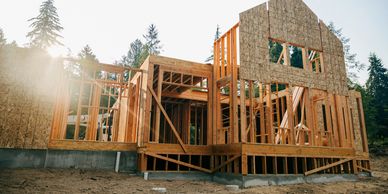
Given the ongoing productive negotiations regarding the imports of wood products, the President is delaying the tariff increase to allow for further negotiations to occur with other countries.

Why a Finance Coach Makes Cents
Build a Net Worth Living Paycheck to Paycheck